I have read The Compleat Meadmaker by Ken Schramm and am not quite sure which way I should go.
This will be my first batch of mead and I plan to use 12 lbs of honey for 5 gallons of mead. I am not sure about the preparation of the must. The book offers what seems like 3 different options. No heat with campden tablets, no heat without campden tablets, and heating to 160 for 10 minutes and then using IC to cool down (have IC from brewing).
I am curious what everyone else uses? It seems the heating would be the best way to make sure that the honey was well mixed and the must was sanitized but it says this may be at the cost of flavor and aroma.
thanks in advance
Sorry, that's absolute rubbish.
There might be a million and one reasons that you might heat a must (or just the honey), all with mostly dubious and/or pointless justification. If that was the case then we'd all be producing top quality meads with just cheapo store bought/supermarket honey.
But we don't do we.
Why ? because we select the honey for different reasons, a lot of them to do with the taste of the honey, possibly the colour of it as a second reason.
So why do you need to sanitise honey ? When it's already, factually, the most anti-bacterial, anti-fungal substance that nature has to offer in a single material ?
Heating it, drives off a lot of the finer aromatic compounds and seems to break down some of the finer flavouring compounds.
There's documentary evidence showing that sacrificial amounts of honey found in some of the ancient tombs in Egypt were still edible/safe to eat, even after something like 3000 years.
So why do you want to ruin it any further in the cause of "safety" ?
The only time I ever heat honey, is if it's crystalised and needs to be gently warmed in a bath of warm water to get it out the jar/bucket. If it runs out, even slightly, then I just either put the water/honey into a liquidiser and blitz it, which incorporates some air/O2 just nicely, or if it's more honey than a 1 gallon batch, then it's done in the same way but in a bucket with a hand blender (both devices are easily sanitised).
The only time you might need to think of something, is if the must i.e. water and honey, has been mixed and you have to leave it for any reasonable length of time (thinking more than a day here, as it should be fine inside a closed container that's been sanitised properly). The reason for that, is that pure honey is, as above i.e. harmful organisms can't live it in, but when it's been diluted down to fermentable levels, that's when some of the nasties can creep in and make mischief with it.
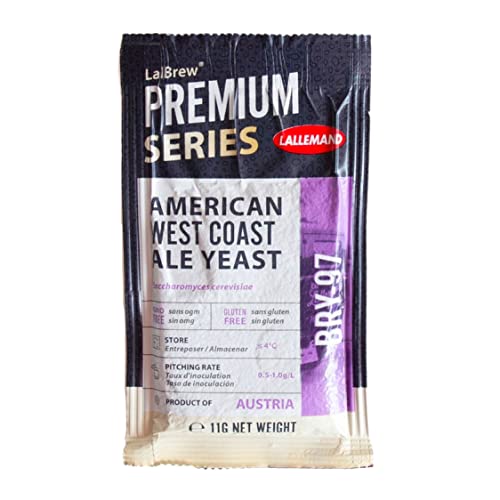
Hell, I don't even use champagne yeast unless I really have to, because (especially during the vigorous primary ferment period) it seems to blow a lot of those fine, more subtle aroma's and flavours straight out the airlock. Hence I select my yeasts on how they seem to make a better tasting/smelling result.
So, no heat.
Oh and if someone comes up with the crap about raw honey having some hive debris contaminating the honey, well those i.e. wax, propolys, bits of dead bee, etc etc, will settle out into the sediment or are removed during racking processes. If the mead is made to a minimum of a wine strength, then as honey it's safe, as mead it's safe, so you only need to apply appropriate technique/method during the making to keep it safe during that phase as well.
either way, it's up to you. Though I still say why take an excellent, wonderful tasting honey and heat it, so you end up with some mediocre rubbish that you could have got from the nearest store at half the price......
regards
fatbloke
p.s. Oh and most recipes that suggest heating etc, are derived from a time when we didn't know any better. We do now, so why not benefit from the newer/more up to date knowledge ?


 cant wait to make my first batch. Would this be ok in a 5 gal carboy? or do I need to use a larger fermenter





![Craft A Brew - Safale S-04 Dry Yeast - Fermentis - English Ale Dry Yeast - For English and American Ales and Hard Apple Ciders - Ingredients for Home Brewing - Beer Making Supplies - [1 Pack]](https://m.media-amazon.com/images/I/41fVGNh6JfL._SL500_.jpg)