The traditional method would slowly lower the temp to lagering after you added the Kraeusen. I tried this many times, but the fermentation always slowed down to much and I was left with to much residual sugar at the end. That's why I now wait until only enough sugar is left that I know will be consumed during lagering.
Kai
Kai,
Rather than lowering right away I would think that you should give the yeast a chance to get used to their new environment and work on the sugars you added and when the pressure is up there (2 to 4 days @ 15 PSI) lower 2-4 F a day until lager temperature is reached. Is this something you tried already?
__________________
Cheers,
WBC
Fermentor 1: Bill's House Ale II, Fermentor 2: German Helles, Fermentor 3: Bill's Schworzbier (Black Bier) Tap 1: Bill's House Ale II, Tap 2: German Hefewizen, Tap 3: Nut Brown Ale Future Brews: Stone IPA Clone, Blonde Ale, Budvar Clone, Newcastle Clone New toy: Blichmann 27 gallon fermentor
“If you find yourself in a hole, the first thing to do is stop digging”
“Good judgment comes from experience, and a lotta that comes from bad judgment”
Rather than lowering right away I would think that you should give the yeast a chance to get used to their new environment and work on the sugars you added and when the pressure is up there (2 to 4 days @ 15 PSI) lower 2-4 F a day until lager temperature is reached. Is this something you tried already?
I tried this. But it is really difficult to keep the yeast working well enough. At least the WY2206 that I'm currently using.
Kai
What temperature?
__________________
Cheers,
WBC
Fermentor 1: Bill's House Ale II, Fermentor 2: German Helles, Fermentor 3: Bill's Schworzbier (Black Bier) Tap 1: Bill's House Ale II, Tap 2: German Hefewizen, Tap 3: Nut Brown Ale Future Brews: Stone IPA Clone, Blonde Ale, Budvar Clone, Newcastle Clone New toy: Blichmann 27 gallon fermentor
“If you find yourself in a hole, the first thing to do is stop digging”
“Good judgment comes from experience, and a lotta that comes from bad judgment”
somewhere between 32 and 36 *C. With the current method, where I come close to the FG before lagering, I noticed that I get expect about 0.05 - 0.1 *P extract reduction per month at 34 *C. But for the classic method you want the yeast to do much more than that.
I think the yeast strain is really important and so maybe we need to find a strain that works well when krausening is employed. I know some commercial brewers near me and so I will consult them about krausening. They may have done it and maybe not.
__________________
Cheers,
WBC
Fermentor 1: Bill's House Ale II, Fermentor 2: German Helles, Fermentor 3: Bill's Schworzbier (Black Bier) Tap 1: Bill's House Ale II, Tap 2: German Hefewizen, Tap 3: Nut Brown Ale Future Brews: Stone IPA Clone, Blonde Ale, Budvar Clone, Newcastle Clone New toy: Blichmann 27 gallon fermentor
“If you find yourself in a hole, the first thing to do is stop digging”
“Good judgment comes from experience, and a lotta that comes from bad judgment”
I recently found that low flocculating yeast strains work well for the classic way of cold fermentation. The only low flocculator I know if is the Danish lager yeast that is sold by WYeast. I still have to get my hands onto that.
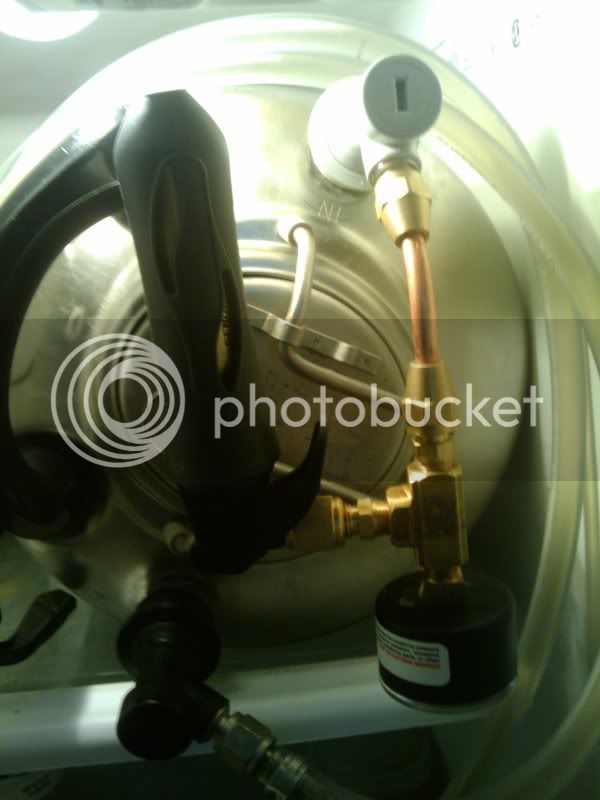
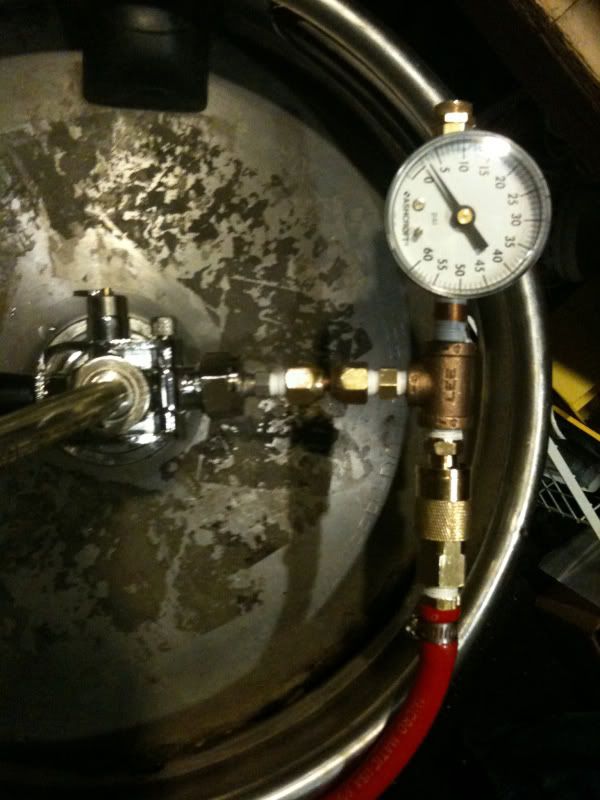
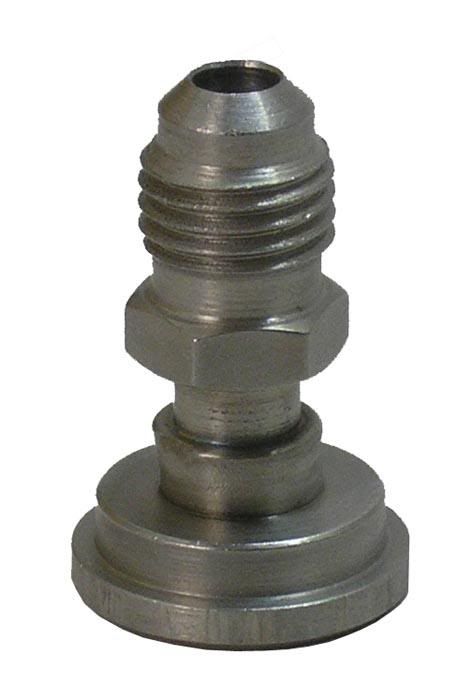
Well guys, today is the transfer day. I am sanitizing three 1/6 bbl Sankes right now in Star-San and have my bathroom floor scale ready to weigh these bad boys out. Only thing I did wrong at this point was not controlling the pressure the whole way through. I got to much carbonation during the last part of fermentation when the pressure needed to be above my control ability. I am ordering the same parts I told Poindexter about and then I should not have this problem arise again. Dang cheap-o back pressure relief valve and rusty pressure gauge. They need to be retired.
Everything else looks, smells, and tastes great so far. I am so happy with this process and equipment. Next batch is a practice run triple decoction pitched on a post washed cake. I am planning on pressure canner no-stir type of decoction and I thought it would be nice to brew the same batch back to back to really see the comparison first hand. I know it is an ale, but I want to get this down for my future bigger lagers. I will probably only use a single or double for any other decocted beers, but this over emphasizes the difference between these two ales right now for me. Ok, and it is going to be a ton of fun and take all day. After watching Kaiser's video, my brain went haywire and I just had to max my system out, lol. Well, I am off to transfer beer now. Just two more weeks till I am drinking this fine mama-jama.
__________________ "Beer... Nutritious and Delicious!"
I'm not sure if I mentioned that, but when harvesting yeas from a pressurized fermenter, you should de-pressurize the yeast slowly. Otherwise many of them will simply explode b/c the CO2 comes out of solution inside the cells.
BTW, I should soon be able to release the article about priming with Kraeusen.
Well, I guess this will be an experiment then. I dumped all the pressure out of my fermenter after transferring.
I am happy to announce that I got more than 12 gallons end batch BIG SMILE!!!!! It is going to be a pretty beer and it has cleaned up taste-wise as of yesterday, so I am pretty stoked to try it after a week warm. I don't know who it was that talked about that but I have done it and liked the beers better. They are drinkable 3 weeks grain to glass, but that extra week at room temperature before the kegerator just does something to my ale. I suppose with my lager I will just let the fermenter warm a little bit and then crash cool and transfer for lagering.
__________________ "Beer... Nutritious and Delicious!"